WeweBlogsSlider-02

Latest Blogs

freelancer-cybersecurity-online-branding

Why Freelancers Should Care About Cybersecurity and Brand Protection

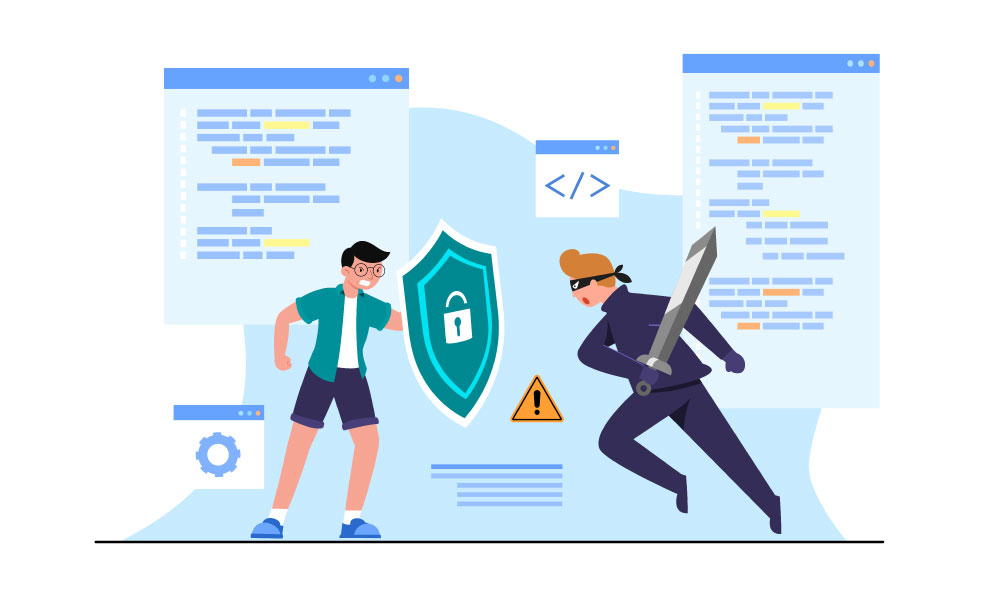
Freelancing has become one of the fastest-growing parts of the digital economy. More professionals are building careers online through remote work, personal branding, and digital services. But as freelancers become more visible online, they also become more exposed to cybersecurity risks. Today, cybersecurity is no longer only a concern for large companies. Freelancers, creators, consultants, and independent professionals are increasingly becoming targets of scams, impersonation, phishing, and digital brand abuse. For freelancers, protecting your online identity is now part of protecting your career. Freelancers Are Building Personal Brands Online Modern freelancers rely heavily on: personal websites portfolios social media domain names email communication online marketplaces to attract clients and build credibility. Your online presence is no longer just marketing, it is your professional identity. As freelancers invest more into visibility and personal branding, cybercriminals are also finding new ways to exploit trusted digital identities. Cybercriminals Are Targeting Trusted Identities One growing issue is cybersquatting. Cybersquatting refers to registering domain names that closely resemble legitimate brands, businesses, or personal identities without authorization. For freelancers, this could involve: fake portfolio websites impersonation domains phishing emails using similar domain names fake client communication fraudulent payment requests In many cases, attackers do not immediately activate these domains. The infrastructure may sit quietly for weeks before being used for scams or impersonation campaigns. Why This Matters for Freelancers Freelancers often work independently without dedicated IT or security teams. This creates several risks: clients may receive fake invoices phishing emails may impersonate your business fake websites may damage your reputation scam accounts may misuse your identity stolen credentials may compromise client data For freelancers, reputation is one of the most valuable business assets. A single scam linked to your name can damage trust that took years to build. Personal Branding Also Requires Digital Protection Many freelancers focus heavily on: content creation social media growth portfolio building lead generation but overlook cybersecurity and digital protection. As freelancers grow their online visibility, they should also consider: securing professional domain names using strong authentication monitoring brand impersonation protecting business email accounts verifying communication channels Your digital identity is now part of your professional infrastructure. AI and Automation Are Increasing Cyber Risks AI tools are making online scams more sophisticated. Cybercriminals now use: AI-generated phishing emails fake websites impersonation campaigns automated scam systems to target businesses and individuals more efficiently. This means freelancers with visible online brands may become easier targets for impersonation and fraud. As digital work grows, cybersecurity awareness becomes increasingly important for independent professionals. The Importance of Owning Your Digital Identity For freelancers, owning your digital identity helps create: stronger credibility professional trust safer client communication better long-term brand control Having: your own domain professional email verified portfolio secure online presence can reduce confusion and improve trust with clients. It also helps freelancers establish a more professional and recognizable digital presence Cybersecurity Is Becoming Part of Professionalism Clients increasingly care about security and trust. Freelancers who demonstrate: professional communication secure workflows verified branding consistent online identity often appear more reliable and trustworthy. In today’s digital economy, cybersecurity is no longer just an IT issue. It is becoming part of professional reputation management.
no-code-platform-growth

No-Code Platforms Are Changing Software Development Faster Than Ever

No-code and low-code platforms are no longer just startup tools. They are becoming a major part of how modern businesses build apps, automate workflows, and launch digital products. Instead of relying fully on traditional developers, companies are now empowering non-technical teams to create apps through visual drag-and-drop platforms. This shift is helping businesses reduce costs, speed up development, and innovate faster. Why No-Code Is Growing So Fast Businesses today face three major challenges: Legacy technology slowing innovation Budget limitations Lack of technical talent According to recent statistics: 42% of organizations say outdated systems are their biggest obstacle 39% struggle with budget limitations 36% face skill shortages No-code platforms solve many of these issues by making software development more accessible and efficient. No-Code Is Becoming Mainstream Key statistics: Gartner predicts over 75% of enterprise applications will use low-code/no-code by 2026 The low-code market has reached USD 28.75 billion globally This is no longer a niche trend. It is becoming standard across industries. Businesses Are Building Apps Faster One of the biggest advantages of no-code is speed. Companies using no-code platforms report: Up to 90% reduction in development time 10x faster app development 70% cost savings on projects 362% average ROI from no-code implementations Non-Technical Users Are Leading the Growth A major shift in software development is the rise of citizen developers. These are non-technical users building applications without traditional coding skills. Current adoption trends: Citizen developers now outnumber professional developers 4:1 80% of low-code users are outside IT departments 30% of no-code users are non-technical individuals 24% had zero coding experience before using no-code tools Top Use Cases for Low-Code Platforms Businesses are using no-code for: Forms and data collection Workflow automation Internal business tools Reporting dashboards Customer portals Replacing spreadsheets and manual systems Top adoption areas include: Finance Healthcare Education Retail Enterprise operations AI Is Accelerating No-Code Even Further AI integration is becoming one of the biggest growth drivers in the no-code market. Recent trends show: The global no-code AI market is valued at USD 8.6 billion Projected to grow to USD 75.14 billion by 2034 AI-powered automation and predictive workflows are becoming standard features AI is making app creation even easier by helping users: Generate workflows Build interfaces Automate tasks Analyze data Create apps faster Why Enterprises Are Investing in No-Code Large companies are increasingly adopting multiple no-code tools. Current enterprise trends: 75% of large enterprises use at least four low-code tools 87% of enterprise developers now use low-code platforms 84% adopt no-code for better IT efficiency Final Thoughts No-code platforms are reshaping the future of software development. What started as a simple drag-and-drop trend is now becoming a major part of enterprise digital transformation. Businesses are using no-code to: Reduce costs Speed up innovation Empower non-technical teams Improve operational efficiency Scale digital solutions faster As AI continues integrating into no-code platforms, the gap between technical and non-technical software creation will continue shrinking. The future of development is no longer just about coding. It is about building faster, smarter, and more accessibly.
why-aeo-is-important-ai-search

How to Optimize Content for AEO: A Complete Step-by-Step Guide

Why Is AEO Important? AI-powered search is changing how people discover information online. Instead of scrolling through multiple websites, users increasingly ask conversational questions and receive instant answers directly from AI systems. Examples include: ChatGPT Google Search Generative Experience (SGE) Perplexity AI Bing Copilot Voice assistants like Siri and Alexa This means businesses can no longer optimize content only for rankings. They must optimize content to become the answer AI systems choose to display. Step-by-Step AEO Optimization Guide 1. Target Real User Questions Modern search behavior is highly conversational. Instead of typing short keyword phrases, users now ask complete questions such as: “How do I optimize my Shopify site speed?” “What are the most common questions about schema markup?” “What are the best SEO tools for small businesses?” “When should a business focus on AEO instead of SEO?” Where to Find Real Questions Use: Google Search Console Google People Also Ask (PAA) Reddit and community forums Quora AI prompt analysis tools Customer support questions Best Practice Mirror the exact wording of user questions in: H2 headings FAQ sections Subheadings Meta descriptions Example Traditional SEO Heading: Best SEO Tools AEO-Friendly Heading: What Are the Best SEO Tools for Small Businesses in 2026? Why This Works: AI systems prioritize natural-language queries because they better reflect user intent.  2. Optimise for Featured Snippets Featured snippets remain one of the most valuable visibility opportunities in AI-powered search. Best Practices Start with: A concise 40–50 words answer Direct definitions Clear explanations Then expand using: Bullet points Tables Short paragraphs Step-by-step formatting Schema markup 3. Why People Also Ask (PAA) Boxes People Also Ask boxes are increasingly important because they often reflect the same prompts used by AI systems. Best Practices Monitor recurring PAA questions Use SERP tracking tools Answer questions in 2–4 sentences Include reliable sources and citations Focus on factual, concise responses Why It Works Concise format improves extraction Direct answers improve AI readability 4. Build FAQ Pages with Schema Dedicated FAQ pages improve machine readability and increase the chances of appearing in AI-generated responses. Important Schema Types FAQ Schema How-To Schema Article Schema Product Schema Best Practices Use: JSON-LD schema markup Clear Q&A formatting Verifiable statistics Real-world examples Authoritative references Frequently Asked Questions What is GEO? Generative Engine Optimization (GEO) focuses on optimizing content for AI-generated search systems like ChatGPT and Google AI Overviews. Why is AEO important? AEO improves visibility in AI-generated answers, voice assistants, and featured snippets. Why FAQ Schema Matters Schema markup helps AI systems better understand: Content structure Question-answer relationships Context and relevance 5. Earn Topic Authority AI systems prioritize authoritative and trustworthy sources. This means topical authority matters more than keyword density. Build Topic Clusters Instead of publishing unrelated articles, create interconnected content around one expertise area. Example of a Strong Topic Cluster What Is AEO? GEO vs SEO AI Search Trends Schema Markup Best Practices Conversational Search Optimization How Google AI Overviews Work Why It Works: AI systems recognize websites that consistently publish high-quality content around a focused topic. Google and AI systems increasingly prioritize: Experience: Demonstrate real-world usage and practical knowledge. Expertise: Show deep subject understanding. Authoritativeness: Earn citations and mentions from trusted websites. Trustworthiness: Provide accurate, well-sourced information. Example Instead of writing generic marketing advice: “SEO is important for rankings.” Write: “According to Google Search Central, structured content and schema markup improve content interpretation for search systems.” Why it works: Adds credibility Improves trust signals Increases AI confidence in content Best Practices for AI-Friendly Content Use Clear Formatting AI systems prefer: Bullet points Tables FAQs Numbered lists Clear headings Write Conversationally Use natural language that mirrors how users ask questions. Example: “best CRM software” “What is the best CRM software for startups?” Keep Answers Concise: Provide direct answers first before expanding into detail. Add Credible Sources Reliable references improve: Trustworthiness AI extraction confidence Visibility in AI-generated answers
ai-powered-search-future-of-seo

The Impact of AI-Powered Search on SEO: Why AEO Matters More Than Ever

The way people search online is changing rapidly. For years, traditional Search Engine Optimization (SEO) focused on helping websites rank higher through keywords, backlinks, and technical optimization (Chaffey, 2022). The goal was simple: get users to click on your website. But with the rise of AI-powered search tools like ChatGPT, Perplexity AI, and Google’s Search Generative Experience (SGE), users are increasingly receiving direct answers without ever leaving the search page (HubSpot, 2023). This shift is introducing a new concept known as Answer Engine Optimization (AEO). Instead of optimizing solely for rankings, businesses now need to optimize content so AI systems can understand, extract, and present it directly as answers. As search engines evolve into intelligent answer providers, marketers and businesses are being forced to rethink how online visibility works. The Shift from SEO to AEO Traditional SEO strategies relied heavily on: Keyword optimization Backlink building Technical website performance On-page metadata and structure However, modern AI-powered search engines now prioritize semantic understanding and user intent over simple keyword matching. Technologies like Google’s BERT and MUM have transformed how search engines interpret language, making content relevance and context more important than ever (Sharma & Dhiman,2025). At the same time, Sharma and Dhiman (2025) answer engines are increasing the number of zero-click searches, where users receive information directly from search results without clicking through to websites. According to industry studies cited in the research, nearly 60% of informational queries are now satisfied through AI-generated answers, featured snippets, or knowledge panels. This means businesses can no longer rely only on ranking #1—they must also focus on becoming the source AI chooses to answer from. What Is Answer Engine Optimization (AEO)? Answer Engine Optimization (AEO) is the process of optimizing content so AI-powered systems can easily understand and deliver it as direct answers to users. Unlike traditional SEO, which aims to increase clicks, AEO focuses on: Featured snippets AI-generated summaries Voice search responses Knowledge panels Conversational search results According to the Sharma & Dhiman,(2025) research mention that, successful AEO strategies include: Structured Data Markup – Adding schema and structured metadata helps search engines interpret content more accurately. Entity-Based Optimization – Search engines increasingly rely on entities (people, brands, places, concepts) rather than keywords alone. Conversational Content – AI systems prefer natural, question-and-answer style content aligned with user intent. E-E-A-T (Experience, Expertise, Authoritativeness, and Trustworthiness) Signals(Moz,2023) – Content demonstrating experience, expertise, authoritativeness, and trustworthiness is more likely to be selected by AI-generated answers. The Rise of Zero-Click Searches One of the biggest impacts of AI-powered search is the rise of zero-click searches. Users increasingly get instant answers directly within search results instead of visiting external websites (Sharma & Dhiman,2025). The research “Impact of AI-Powered Search on SEO: The Emergence of Answer Engine Optimization” findings revealed: 60.7% of respondents noticed AI changing search results 35.7% reported very frequent zero-click answers Many businesses are experiencing declining organic traffic due to AI-generated responses This creates a major challenge for publishers, marketers, and businesses that traditionally depended on search traffic for visibility and conversions. However, it also creates opportunity. Brands that successfully optimize for AEO can gain visibility directly inside AI-generated responses, featured snippets, and voice search systems. Why Businesses Need to Adapt The research highlights that many businesses are still unfamiliar with AEO: 54.1% of respondents reported they were not familiar with Answer Engine Optimization Many organizations still rely mainly on traditional SEO tactics This creates a competitive gap. Businesses that adapt early to AI-driven search can position themselves as trusted sources before competitors fully catch up. Key areas businesses should focus on: Creating AI-friendly content Structuring content clearly with headings and FAQs Optimizing for conversational queries Building topical authority Using schema markup and entity optimization The future of search is no longer just about rankings, it’s about becoming the answer. Final Thoughts The rise of AI-powered search engines is not the end of SEO it’s the evolution of it. Traditional SEO still matters, but it now needs to work alongside Answer Engine Optimization (AEO). Businesses that continue focusing only on keywords and backlinks may gradually lose visibility in an AI-first search environment. As AI continues reshaping how users discover information, success will increasingly depend on: Structured, trustworthy content Conversational optimization Semantic relevance AI-friendly formatting In the future, winning search visibility won’t just mean ranking higher. It will mean becoming the trusted answer AI chooses to deliver.

All Blogs

  • All Posts
  • Business Tips
  • Case Studies
  • Design
  • Guides & How-tos
  • Inspirations
  • Marketing
  • Others
  • Press Release
  • Technology
  • Trending
Load More

End of Content.

General

Latest Blog

All Blog

Scroll to Top