

As technology continues evolving at an unprecedented pace, businesses are facing increasing pressure to innovate faster, control costs, and access specialized technical expertise. At the same time, global talent shortages and rising digital transformation demands are reshaping how organizations build software products.
As a result, software development outsourcing has become a strategic business decision rather than simply a cost-saving exercise.
Today, organizations of all sizes from startups to multinational enterprises are leveraging global talent networks to accelerate development, improve productivity, and remain competitive in an increasingly digital economy.
The Software Outsourcing Market Continues to Grow
(Ramirez,2026)
(Reference: Genius)
The software development outsourcing industry is experiencing significant growth worldwide.
Recent industry data shows:
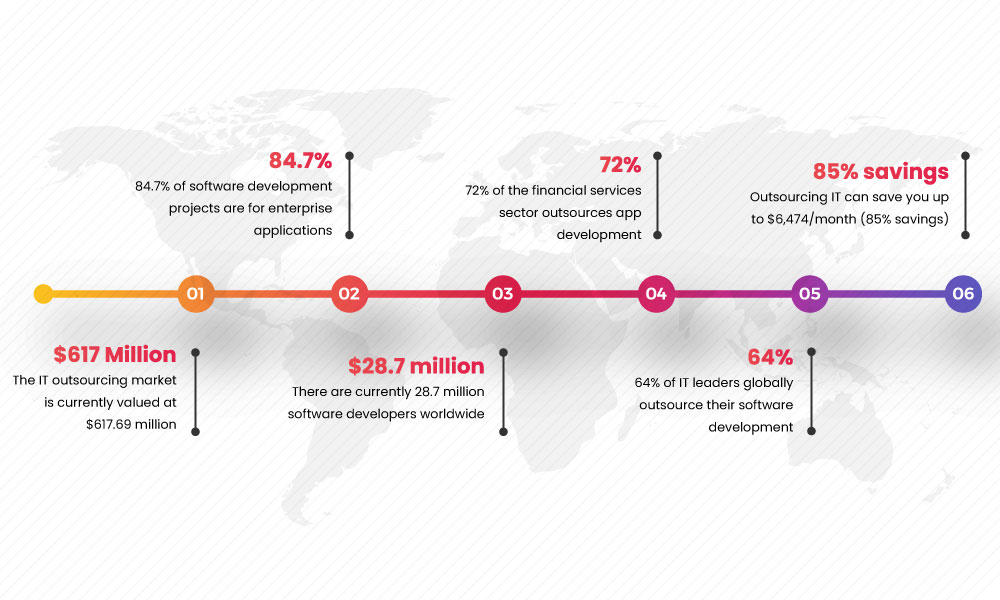
- The global IT outsourcing market is valued at approximately USD 617 billion.
- The U.S. outsourcing market alone is expected to generate over USD 213 billion in 2025.
- Offshore software development is projected to reach USD 151.9 billion.
- There are now more than 28 million software developers worldwide.
- 64% of IT leaders outsource software development projects.
These numbers reflect a major shift in how companies approach technology development. Rather than relying solely on internal teams, businesses are increasingly combining in-house expertise with external specialists to meet growing demands.
Why Businesses Are Outsourcing Software Development
(Reference: 10 Pearls)
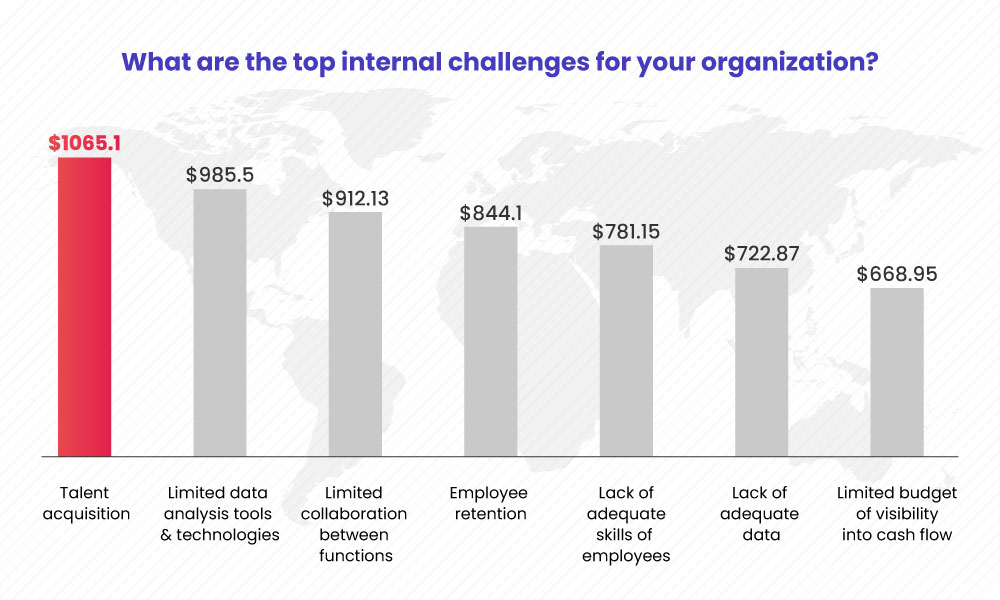
One of the primary reasons organizations outsource is access to talent.
Finding skilled developers has become increasingly difficult. Studies show:
- 74% of employers struggle to find qualified technical talent.
- Only 16% of executives believe they have enough technology talent to support digital transformation initiatives.
- Global talent shortages could reach 85 million workers by 2030.
For many organizations, outsourcing provides immediate access to experienced professionals without lengthy recruitment cycles.
Beyond talent acquisition, companies also outsource to:
- Reduce development costs
- Speed up product launches
- Access specialized expertise
- Scale teams quickly
- Improve operational flexibility
Cost Savings Remain a Major Driver
(Ramirez,2026)

Cost efficiency remains one of the strongest benefits of outsourcing.
Organizations report:
- Up to 40% reduction in development costs
- Up to 50% faster deployment timelines
- Nearshore development can be 46% cheaper than onshore alternatives
- IT outsourcing can generate substantial monthly operational savings
However, modern outsourcing decisions are no longer based solely on price.
Research shows that 86% of businesses prioritize service quality over cost when selecting outsourcing partners. Companies increasingly recognize that skilled talent, communication, and project outcomes create more value than simply choosing the lowest-cost provider.
The Rise of Remote and Distributed Teams
Remote work has transformed software development.
Businesses now routinely build teams across multiple countries and time zones, supported by cloud-based collaboration tools and project management platforms.
Key trends include:
- Growing demand for remote developers
- Increased adoption of distributed engineering teams
- Expansion of nearshore outsourcing models
- Greater access to specialized global talent
Regions such as Latin America, Southeast Asia, Eastern Europe, and South Asia continue attracting businesses seeking high-quality development talent combined with competitive pricing.
AI Is Reshaping Software Development
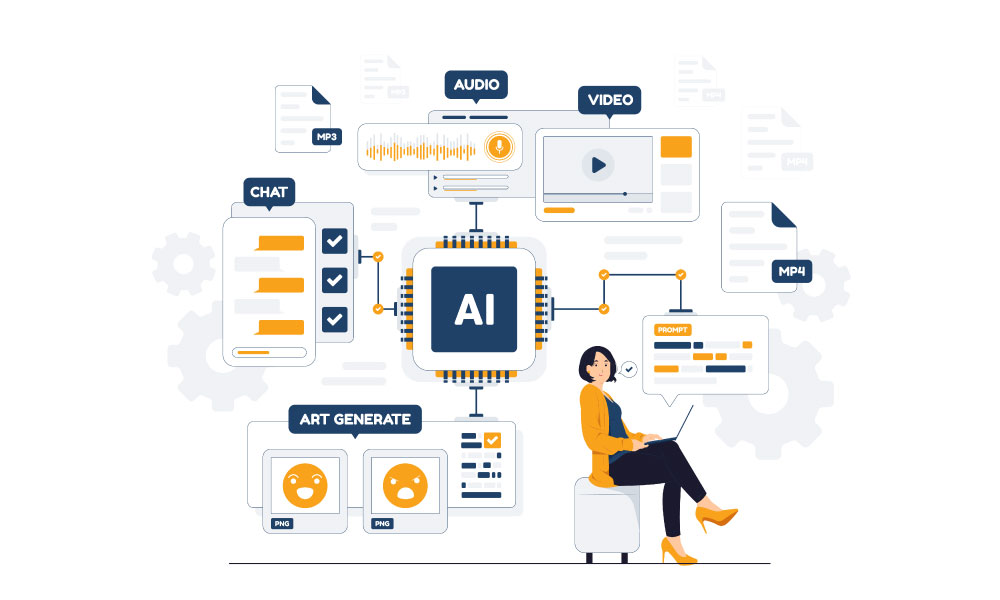
Artificial intelligence is becoming one of the most influential forces in software development.
Industry forecasts suggest AI may automate a significant portion of routine development tasks over the next several years.
Current trends show:
- Nearly half of technology leaders have fully integrated AI into business strategy.
- Around 60% of businesses already use AI in at least one operational function.
- AI-powered tools are improving productivity across development workflows.
- Cloud and AI technologies are becoming increasingly interconnected.
Rather than replacing developers entirely, AI is changing the skills organizations seek. Companies increasingly value professionals who can combine technical expertise with problem-solving, architecture design, communication, and business understanding.
Challenges Businesses Must Consider
While outsourcing offers substantial advantages, success is not guaranteed.
Some common challenges include:
Communication and Cultural Differences
Research indicates that cultural misalignment contributes to a significant percentage of offshore project failures.
Organizations can reduce risk by:
- Establishing clear communication processes
- Defining project expectations early
- Selecting partners with strong collaboration skills
- Choosing regions with compatible working practices
Talent Retention
High employee turnover remains a challenge in several outsourcing hubs, increasing management complexity and project continuity risks.
Quality Control
Successful outsourcing requires balancing cost, expertise, and quality. Selecting partners based solely on pricing often leads to project delays, rework, and higher long-term costs.
Most Frequently Outsourced Services

Software development remains one of the most outsourced business functions globally.
Organizations frequently outsource:
- Application development
- Mobile app development
- Enterprise software projects
- Cloud infrastructure services
- Data analytics
- IT support services
- AI and machine learning initiatives
Financial services organizations are particularly active, with 72% outsourcing application development projects. Enterprise applications account for nearly 85% of outsourced software initiatives.
The Future of Outsourcing
The future of software outsourcing is moving beyond simple labor arbitrage.
Businesses are increasingly seeking:
- Strategic technology partners
- Specialized expertise
- AI capabilities
- Cloud-native development skills
- Long-term innovation support
As talent shortages continue and technology becomes more complex, outsourcing will remain a critical component of digital transformation strategies.
Organizations that successfully combine global talent, modern collaboration tools, and strong project management practices will be better positioned to innovate faster, scale efficiently, and compete in a rapidly changing digital landscape.