
The way people search online is changing rapidly. For years, traditional Search Engine Optimization (SEO) focused on helping websites rank higher through keywords, backlinks, and technical optimization (Chaffey, 2022). The goal was simple: get users to click on your website. But with the rise of AI-powered search tools like ChatGPT, Perplexity AI, and Google’s Search Generative Experience (SGE), users are increasingly receiving direct answers without ever leaving the search page (HubSpot, 2023).
This shift is introducing a new concept known as Answer Engine Optimization (AEO). Instead of optimizing solely for rankings, businesses now need to optimize content so AI systems can understand, extract, and present it directly as answers. As search engines evolve into intelligent answer providers, marketers and businesses are being forced to rethink how online visibility works.
The Shift from SEO to AEO
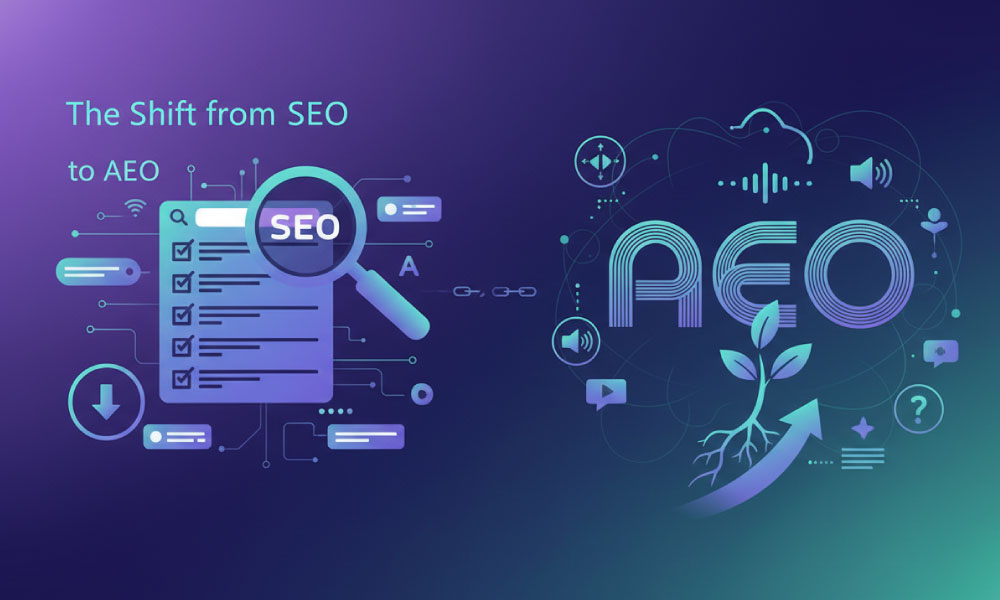
Traditional SEO strategies relied heavily on:
- Keyword optimization
- Backlink building
- Technical website performance
- On-page metadata and structure
However, modern AI-powered search engines now prioritize semantic understanding and user intent over simple keyword matching. Technologies like Google’s BERT and MUM have transformed how search engines interpret language, making content relevance and context more important than ever (Sharma & Dhiman,2025).
At the same time, Sharma and Dhiman (2025) answer engines are increasing the number of zero-click searches, where users receive information directly from search results without clicking through to websites. According to industry studies cited in the research, nearly 60% of informational queries are now satisfied through AI-generated answers, featured snippets, or knowledge panels.
This means businesses can no longer rely only on ranking #1—they must also focus on becoming the source AI chooses to answer from.
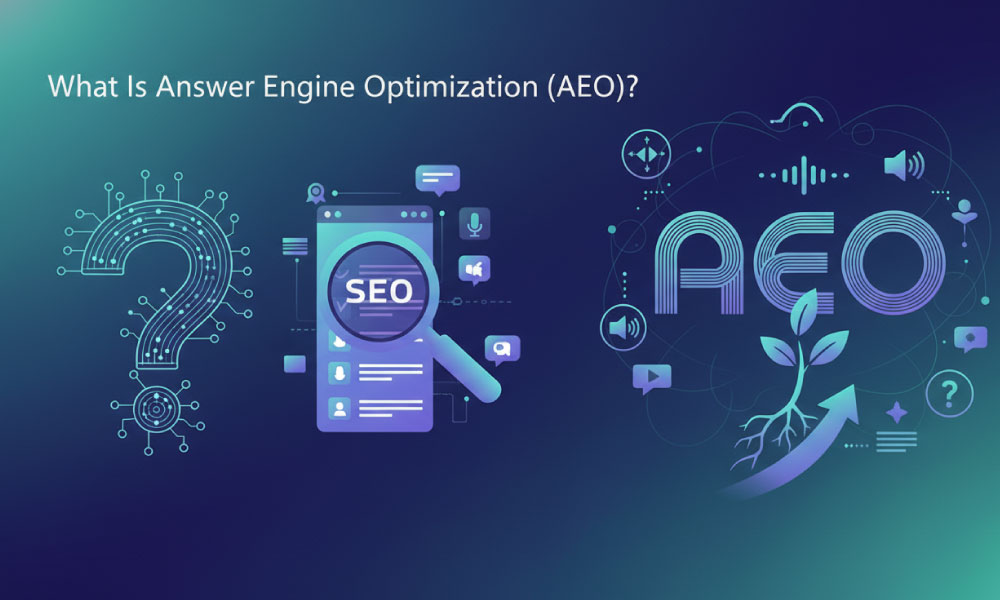
What Is Answer Engine Optimization (AEO)?
- Featured snippets
- AI-generated summaries
- Voice search responses
- Knowledge panels
- Conversational search results
- Structured Data Markup – Adding schema and structured metadata helps search engines interpret content more accurately.
- Entity-Based Optimization – Search engines increasingly rely on entities (people, brands, places, concepts) rather than keywords alone.
- Conversational Content – AI systems prefer natural, question-and-answer style content aligned with user intent.
- E-E-A-T (Experience, Expertise, Authoritativeness, and Trustworthiness) Signals(Moz,2023) – Content demonstrating experience, expertise, authoritativeness, and trustworthiness is more likely to be selected by AI-generated answers.
The Rise of Zero-Click Searches
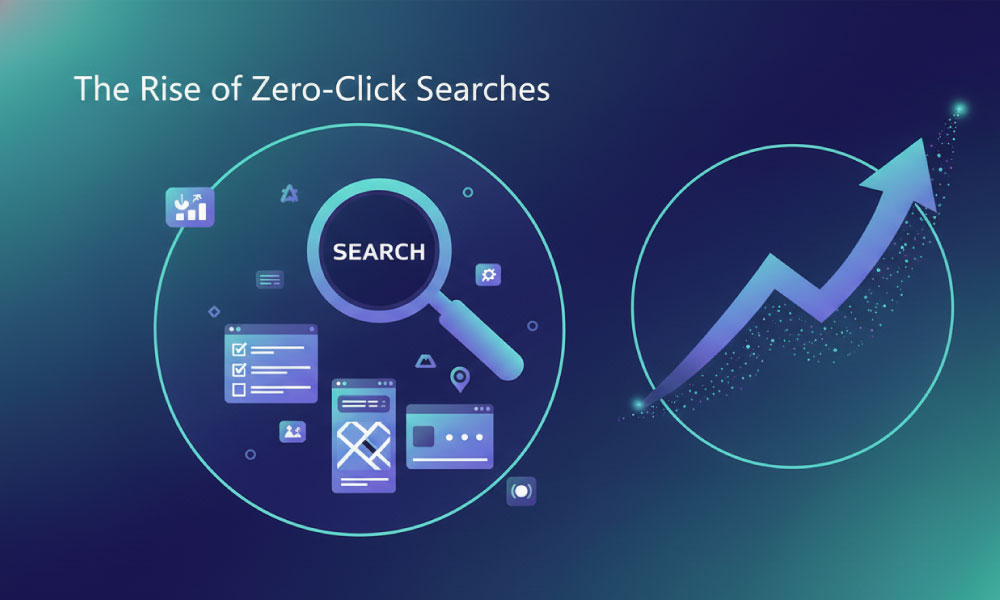
One of the biggest impacts of AI-powered search is the rise of zero-click searches. Users increasingly get instant answers directly within search results instead of visiting external websites (Sharma & Dhiman,2025).
The research “Impact of AI-Powered Search on SEO: The Emergence of Answer Engine Optimization” findings revealed:
- 60.7% of respondents noticed AI changing search results
- 35.7% reported very frequent zero-click answers
- Many businesses are experiencing declining organic traffic due to AI-generated responses
This creates a major challenge for publishers, marketers, and businesses that traditionally depended on search traffic for visibility and conversions. However, it also creates opportunity. Brands that successfully optimize for AEO can gain visibility directly inside AI-generated responses, featured snippets, and voice search systems.
Why Businesses Need to Adapt
The research highlights that many businesses are still unfamiliar with AEO:
- 54.1% of respondents reported they were not familiar with Answer Engine Optimization
- Many organizations still rely mainly on traditional SEO tactics
This creates a competitive gap.
Businesses that adapt early to AI-driven search can position themselves as trusted sources before competitors fully catch up.
Key areas businesses should focus on:
- Creating AI-friendly content
- Structuring content clearly with headings and FAQs
- Optimizing for conversational queries
- Building topical authority
- Using schema markup and entity optimization
The future of search is no longer just about rankings, it’s about becoming the answer.
Final Thoughts
The rise of AI-powered search engines is not the end of SEO it’s the evolution of it.
Traditional SEO still matters, but it now needs to work alongside Answer Engine Optimization (AEO). Businesses that continue focusing only on keywords and backlinks may gradually lose visibility in an AI-first search environment.
As AI continues reshaping how users discover information, success will increasingly depend on:
- Structured, trustworthy content
- Conversational optimization
- Semantic relevance
- AI-friendly formatting
In the future, winning search visibility won’t just mean ranking higher. It will mean becoming the trusted answer AI chooses to deliver.