
Why Is AEO Important?
AI-powered search is changing how people discover information online. Instead of scrolling through multiple websites, users increasingly ask conversational questions and receive instant answers directly from AI systems.
Examples include:
- ChatGPT
- Google Search Generative Experience (SGE)
- Perplexity AI
- Bing Copilot
- Voice assistants like Siri and Alexa
This means businesses can no longer optimize content only for rankings. They must optimize content to become the answer AI systems choose to display.
Step-by-Step AEO Optimization Guide
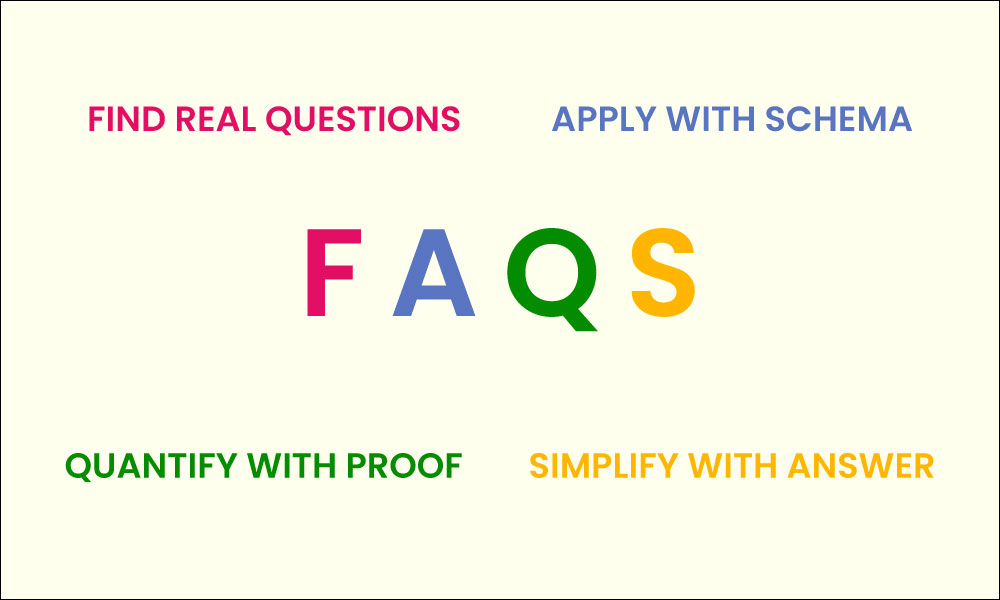
1. Target Real User Questions
Modern search behavior is highly conversational. Instead of typing short keyword phrases, users now ask complete questions such as:
- “How do I optimize my Shopify site speed?”
- “What are the most common questions about schema markup?”
- “What are the best SEO tools for small businesses?”
- “When should a business focus on AEO instead of SEO?”
Where to Find Real Questions
Use:
- Google Search Console
- Google People Also Ask (PAA)
- Reddit and community forums
- Quora
- AI prompt analysis tools
- Customer support questions
Best Practice
Mirror the exact wording of user questions in:
- H2 headings
- FAQ sections
- Subheadings
- Meta descriptions
Example
Traditional SEO Heading:
Best SEO Tools
AEO-Friendly Heading:
What Are the Best SEO Tools for Small Businesses in 2026?
Why This Works: AI systems prioritize natural-language queries because they better reflect user intent.
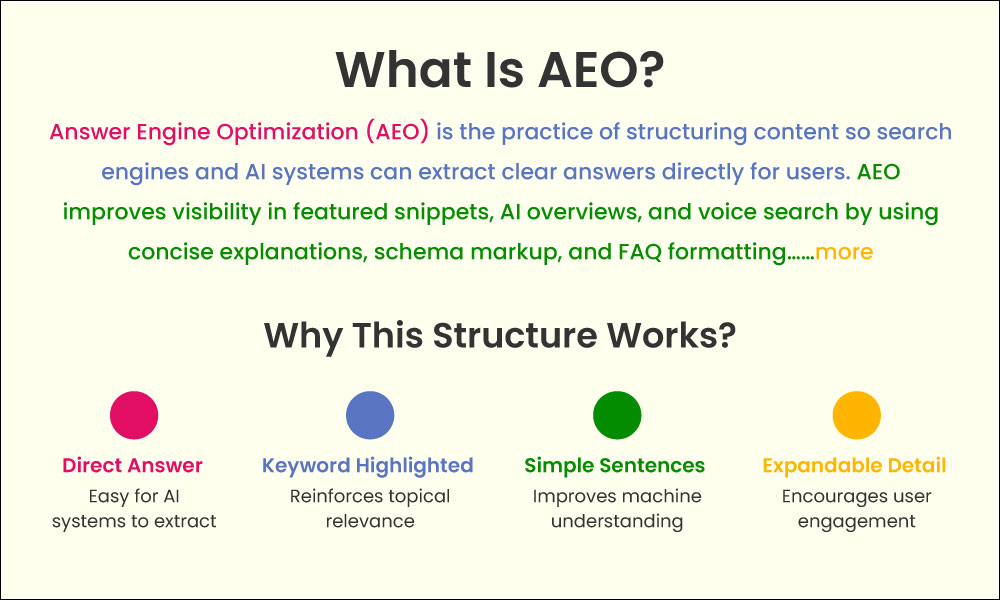
2. Optimise for Featured Snippets
Featured snippets remain one of the most valuable visibility opportunities in AI-powered search.
Best Practices
Start with:
- A concise 40–50 words answer
- Direct definitions
- Clear explanations
Then expand using:
- Bullet points
- Tables
- Short paragraphs
- Step-by-step formatting
- Schema markup
3. Why People Also Ask (PAA) Boxes
People Also Ask boxes are increasingly important because they often reflect the same prompts used by AI systems.
Best Practices
- Monitor recurring PAA questions
- Use SERP tracking tools
- Answer questions in 2–4 sentences
- Include reliable sources and citations
- Focus on factual, concise responses
Why It Works
- Concise format improves extraction
- Direct answers improve AI readability
4. Build FAQ Pages with Schema
Dedicated FAQ pages improve machine readability and increase the chances of appearing in AI-generated responses.
Important Schema Types
- FAQ Schema
- How-To Schema
- Article Schema
- Product Schema
Best Practices
Use:
- JSON-LD schema markup
- Clear Q&A formatting
- Verifiable statistics
- Real-world examples
- Authoritative references
Frequently Asked Questions
What is GEO?
Generative Engine Optimization (GEO) focuses on optimizing content for AI-generated search systems like ChatGPT and Google AI Overviews.
Why is AEO important?
AEO improves visibility in AI-generated answers, voice assistants, and featured snippets.
Why FAQ Schema Matters
Schema markup helps AI systems better understand:
- Content structure
- Question-answer relationships
- Context and relevance
5. Earn Topic Authority
AI systems prioritize authoritative and trustworthy sources. This means topical authority matters more than keyword density.
Build Topic Clusters
Instead of publishing unrelated articles, create interconnected content around one expertise area.
Example of a Strong Topic Cluster
- What Is AEO?
- GEO vs SEO
- AI Search Trends
- Schema Markup Best Practices
- Conversational Search Optimization
- How Google AI Overviews Work
Why It Works: AI systems recognize websites that consistently publish high-quality content around a focused topic.
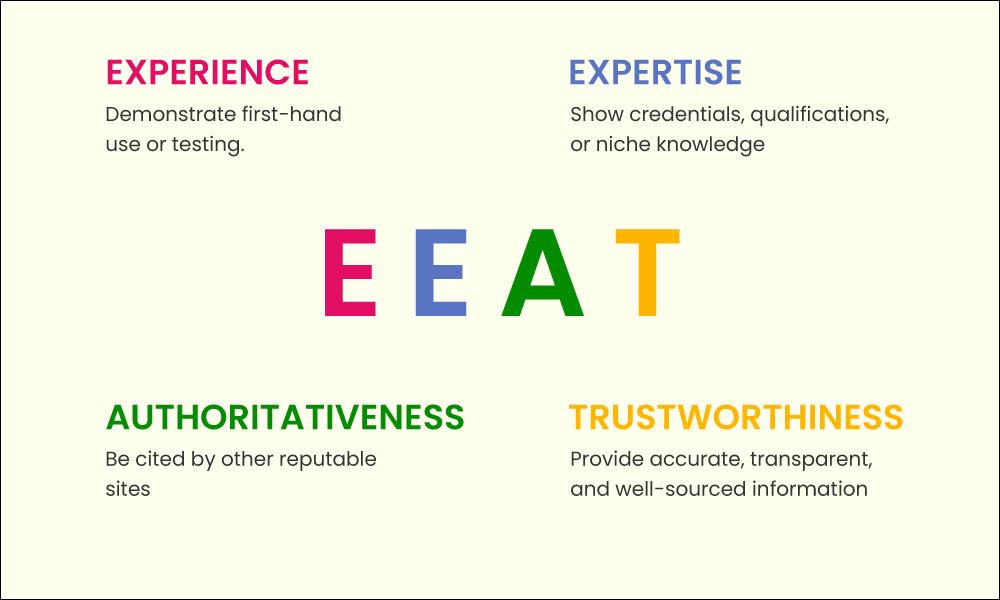
Google and AI systems increasingly prioritize:
Experience: Demonstrate real-world usage and practical knowledge.
Expertise: Show deep subject understanding.
Authoritativeness: Earn citations and mentions from trusted websites.
Trustworthiness: Provide accurate, well-sourced information.
Example
Instead of writing generic marketing advice:
“SEO is important for rankings.”
Write:
“According to Google Search Central, structured content and schema markup improve content interpretation for search systems.”
Why it works:
Adds credibility
- Improves trust signals
- Increases AI confidence in content
Best Practices for AI-Friendly Content
Use Clear Formatting
AI systems prefer:
- Bullet points
- Tables
- FAQs
- Numbered lists
- Clear headings
Write Conversationally
Use natural language that mirrors how users ask questions.
Example:
“best CRM software”
“What is the best CRM software for startups?”
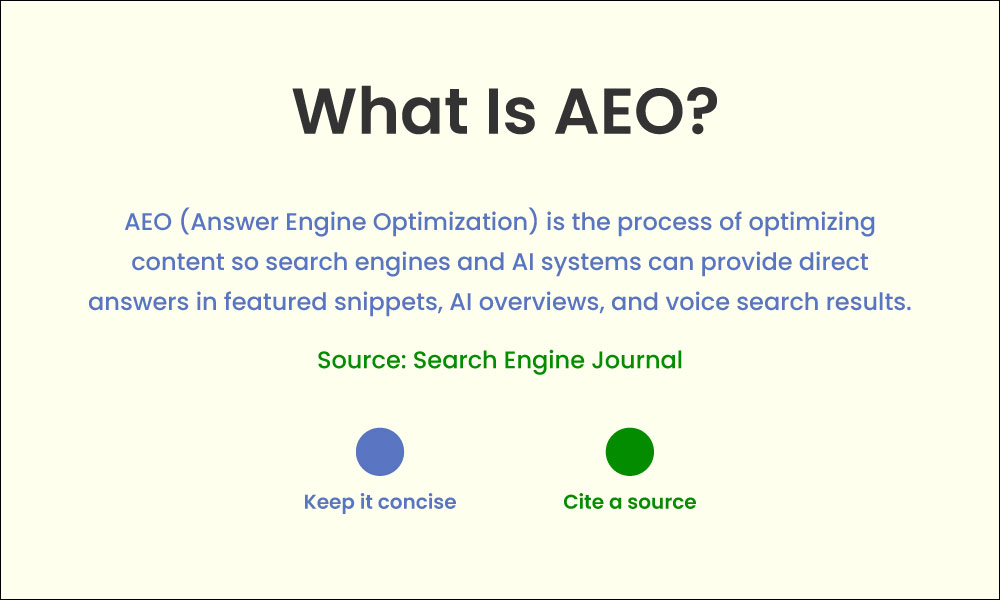
Keep Answers Concise: Provide direct answers first before expanding into detail.
Add Credible Sources
Reliable references improve:
- Trustworthiness
- AI extraction confidence
- Visibility in AI-generated answers