
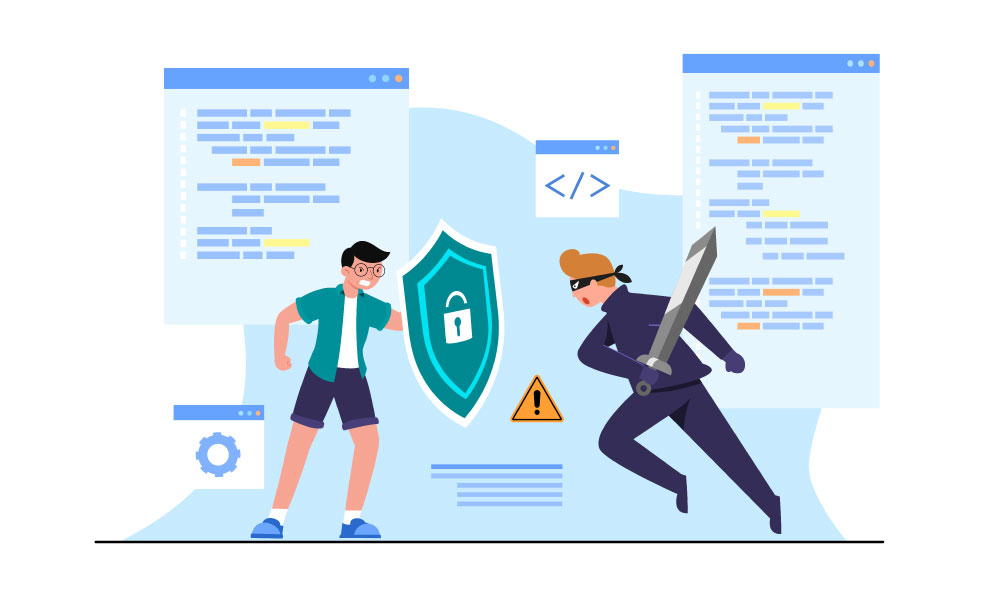
Freelancing has become one of the fastest-growing parts of the digital economy. More professionals are building careers online through remote work, personal branding, and digital services. But as freelancers become more visible online, they also become more exposed to cybersecurity risks.
Today, cybersecurity is no longer only a concern for large companies. Freelancers, creators, consultants, and independent professionals are increasingly becoming targets of scams, impersonation, phishing, and digital brand abuse.
For freelancers, protecting your online identity is now part of protecting your career.
Freelancers Are Building Personal Brands Online
Modern freelancers rely heavily on:
- personal websites
- portfolios
- social media
- domain names
- email communication
- online marketplaces
to attract clients and build credibility.
Your online presence is no longer just marketing, it is your professional identity.
As freelancers invest more into visibility and personal branding, cybercriminals are also finding new ways to exploit trusted digital identities.
Cybercriminals Are Targeting Trusted Identities
One growing issue is cybersquatting.
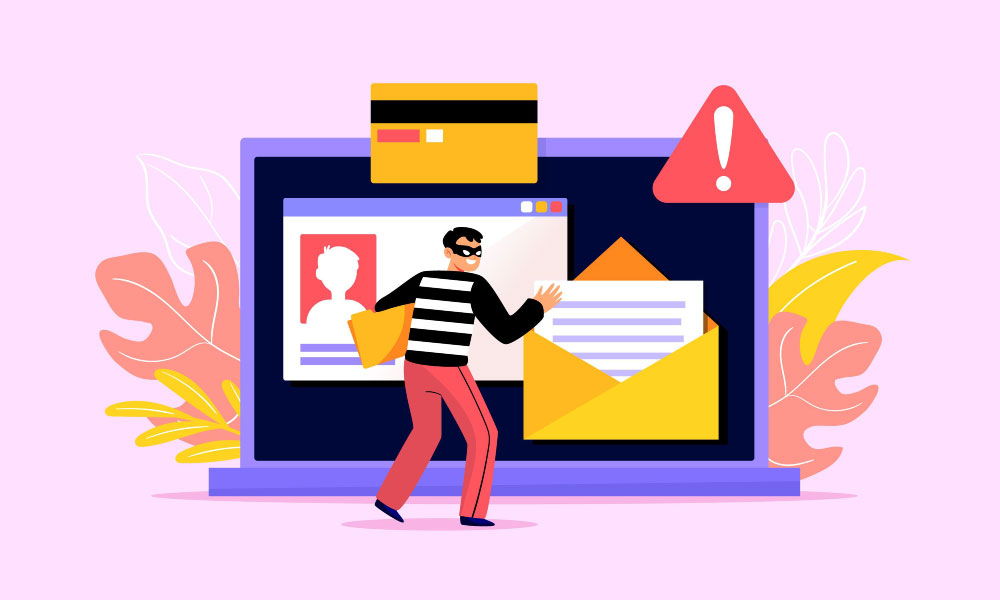
Cybersquatting refers to registering domain names that closely resemble legitimate brands, businesses, or personal identities without authorization.
For freelancers, this could involve:
- fake portfolio websites
- impersonation domains
- phishing emails using similar domain names
- fake client communication
- fraudulent payment requests
In many cases, attackers do not immediately activate these domains. The infrastructure may sit quietly for weeks before being used for scams or impersonation campaigns.
Why This Matters for Freelancers
Freelancers often work independently without dedicated IT or security teams.
This creates several risks:
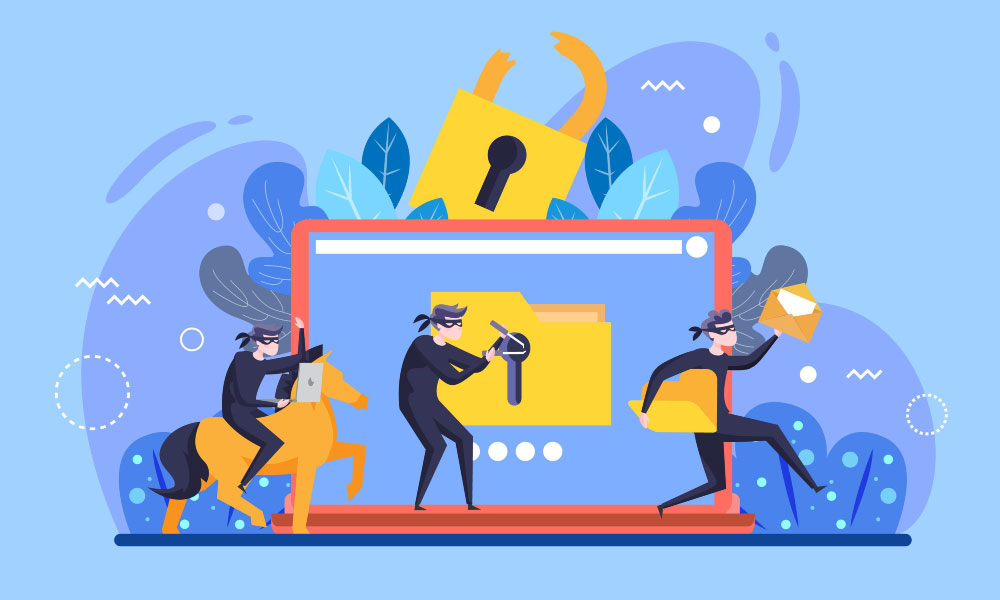
- clients may receive fake invoices
- phishing emails may impersonate your business
- fake websites may damage your reputation
- scam accounts may misuse your identity
- stolen credentials may compromise client data
For freelancers, reputation is one of the most valuable business assets.
A single scam linked to your name can damage trust that took years to build.
Personal Branding Also Requires Digital Protection
Many freelancers focus heavily on:
- content creation
- social media growth
- portfolio building
- lead generation
but overlook cybersecurity and digital protection.
As freelancers grow their online visibility, they should also consider:
- securing professional domain names
- using strong authentication
- monitoring brand impersonation
- protecting business email accounts
- verifying communication channels
Your digital identity is now part of your professional infrastructure.
AI and Automation Are Increasing Cyber Risks
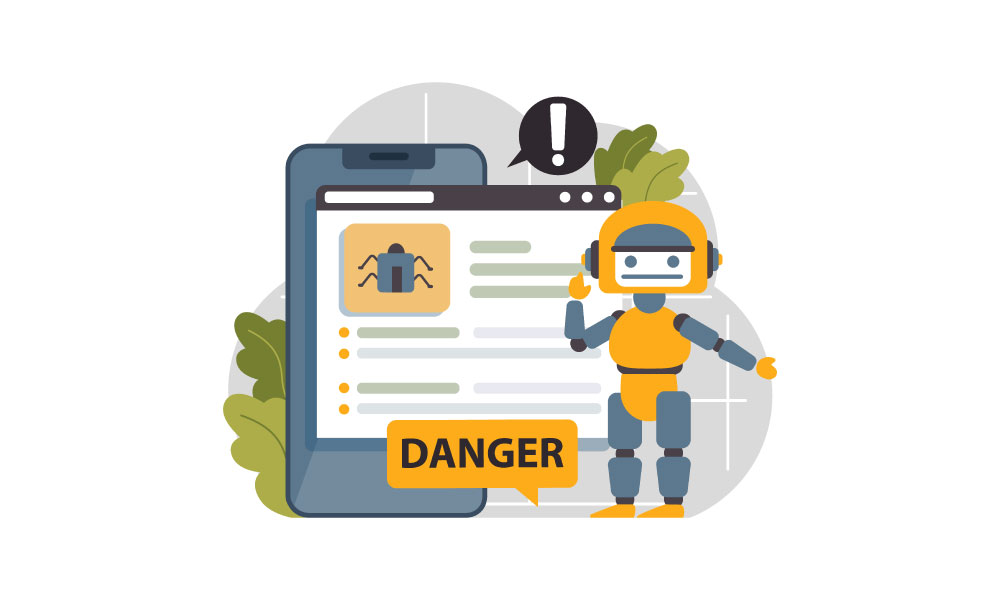
AI tools are making online scams more sophisticated.
Cybercriminals now use:
- AI-generated phishing emails
- fake websites
- impersonation campaigns
- automated scam systems
to target businesses and individuals more efficiently.
This means freelancers with visible online brands may become easier targets for impersonation and fraud.
As digital work grows, cybersecurity awareness becomes increasingly important for independent professionals.
The Importance of Owning Your Digital Identity
For freelancers, owning your digital identity helps create:
- stronger credibility
- professional trust
- safer client communication
- better long-term brand control
Having:
- your own domain
- professional email
- verified portfolio
- secure online presence
can reduce confusion and improve trust with clients.
It also helps freelancers establish a more professional and recognizable digital presence
Cybersecurity Is Becoming Part of Professionalism
Clients increasingly care about security and trust.
Freelancers who demonstrate:
- professional communication
- secure workflows
- verified branding
- consistent online identity
often appear more reliable and trustworthy.
In today’s digital economy, cybersecurity is no longer just an IT issue. It is becoming part of professional reputation management.