


GEO vs AEO vs SEO: A Guide for Freelancers
Have you ever asked ChatGPT for the best portfolio designer, freelance writer, or UX researcher? Chances are, you’ve also searched on Google for the same thing. That’s because AI hasn’t replaced search; it has changed how people discover information. Today, professionals switch seamlessly between Google, ChatGPT, Perplexity, and other AI assistants to find answers, compare options, and make decisions. For freelancers, creators, researchers, and job seekers, this means one thing: Being visible online is no longer just about ranking on Google. It’s about being discoverable wherever people are searching. SEO: The Foundation of Your Online Presence Search Engine Optimization (SEO) is still the cornerstone of digital visibility. Whether you own a portfolio website, blog, or personal domain, SEO helps search engines understand who you are, what you do, and why your content matters. Strong SEO means: Your website appears in relevant Google searches. Your articles and portfolio are easier to discover. More people can find your expertise organically. Think of SEO as building a solid foundation for your digital identity. AEO: Helping AI Find Clear Answers Answer Engine Optimization (AEO) builds on SEO. Instead of simply ranking webpages, AI-powered search tools aim to answer questions directly. For example: Who is the best freelance illustrator for startups? How do I become a UX researcher? What should a data analyst include in a portfolio? Content that clearly answers these questions has a much better chance of appearing in AI-generated summaries and featured answers. For professionals, this means creating content that is: Easy to understand Well structured Focused on solving real questions GEO: Becoming a Trusted Source Generative Engine Optimization (GEO) takes another step forward. Large Language Models (LLMs) like ChatGPT don’t simply search; they generate responses by drawing information from trusted, authoritative sources. Instead of asking: “Can people find my website?” Ask yourself: “Would an AI assistant trust my content enough to reference it?” To improve your chances: Publish original insights. Share research and case studies. Build a consistent online presence. Earn mentions from reputable websites. Keep your content accurate and up to date. The more credible your content becomes, the more likely it is to be referenced in AI-generated answers. The SEO-GEO-AEO connection Jasper. (2025). GEO, AEO, and SEO: How They’re Connected. They Work Better Together Rather than replacing one another, SEO, AEO, and GEO complement each other. SEO helps people find your website through search engines. AEO makes your content easier for AI-powered search to understand and summarize. GEO positions your work as a trusted source that generative AI may reference when creating responses. Together, they help your personal brand stay visible across both traditional search and conversational AI.

Software Development Outsourcing in 2026: Why Businesses Are Looking Beyond Local Talent
As technology continues evolving at an unprecedented pace, businesses are facing increasing pressure to innovate faster, control costs, and access specialized technical expertise. At the same time, global talent shortages and rising digital transformation demands are reshaping how organizations build software products. As a result, software development outsourcing has become a strategic business decision rather than simply a cost-saving exercise. Today, organizations of all sizes from startups to multinational enterprises are leveraging global talent networks to accelerate development, improve productivity, and remain competitive in an increasingly digital economy. The Software Outsourcing Market Continues to Grow (Ramirez,2026) (Reference: Genius) The software development outsourcing industry is experiencing significant growth worldwide. Recent industry data shows: The global IT outsourcing market is valued at approximately USD 617 billion. The U.S. outsourcing market alone is expected to generate over USD 213 billion in 2025. Offshore software development is projected to reach USD 151.9 billion. There are now more than 28 million software developers worldwide. 64% of IT leaders outsource software development projects. These numbers reflect a major shift in how companies approach technology development. Rather than relying solely on internal teams, businesses are increasingly combining in-house expertise with external specialists to meet growing demands. Why Businesses Are Outsourcing Software Development (Reference: 10 Pearls) One of the primary reasons organizations outsource is access to talent. Finding skilled developers has become increasingly difficult. Studies show: 74% of employers struggle to find qualified technical talent. Only 16% of executives believe they have enough technology talent to support digital transformation initiatives. Global talent shortages could reach 85 million workers by 2030. For many organizations, outsourcing provides immediate access to experienced professionals without lengthy recruitment cycles. Beyond talent acquisition, companies also outsource to: Reduce development costs Speed up product launches Access specialized expertise Scale teams quickly Improve operational flexibility Cost Savings Remain a Major Driver(Ramirez,2026) Cost efficiency remains one of the strongest benefits of outsourcing. Organizations report: Up to 40% reduction in development costs Up to 50% faster deployment timelines Nearshore development can be 46% cheaper than onshore alternatives IT outsourcing can generate substantial monthly operational savings However, modern outsourcing decisions are no longer based solely on price. Research shows that 86% of businesses prioritize service quality over cost when selecting outsourcing partners. Companies increasingly recognize that skilled talent, communication, and project outcomes create more value than simply choosing the lowest-cost provider. The Rise of Remote and Distributed Teams Remote work has transformed software development. Businesses now routinely build teams across multiple countries and time zones, supported by cloud-based collaboration tools and project management platforms. Key trends include: Growing demand for remote developers Increased adoption of distributed engineering teams Expansion of nearshore outsourcing models Greater access to specialized global talent Regions such as Latin America, Southeast Asia, Eastern Europe, and South Asia continue attracting businesses seeking high-quality development talent combined with competitive pricing. AI Is Reshaping Software Development Artificial intelligence is becoming one of the most influential forces in software development. Industry forecasts suggest AI may automate a significant portion of routine development tasks over the next several years. Current trends show: Nearly half of technology leaders have fully integrated AI into business strategy. Around 60% of businesses already use AI in at least one operational function. AI-powered tools are improving productivity across development workflows. Cloud and AI technologies are becoming increasingly interconnected. Rather than replacing developers entirely, AI is changing the skills organizations seek. Companies increasingly value professionals who can combine technical expertise with problem-solving, architecture design, communication, and business understanding. Challenges Businesses Must Consider While outsourcing offers substantial advantages, success is not guaranteed. Some common challenges include: Communication and Cultural Differences Research indicates that cultural misalignment contributes to a significant percentage of offshore project failures. Organizations can reduce risk by: Establishing clear communication processes Defining project expectations early Selecting partners with strong collaboration skills Choosing regions with compatible working practices Talent Retention High employee turnover remains a challenge in several outsourcing hubs, increasing management complexity and project continuity risks. Quality Control Successful outsourcing requires balancing cost, expertise, and quality. Selecting partners based solely on pricing often leads to project delays, rework, and higher long-term costs. Most Frequently Outsourced Services Software development remains one of the most outsourced business functions globally. Organizations frequently outsource: Application development Mobile app development Enterprise software projects Cloud infrastructure services Data analytics IT support services AI and machine learning initiatives Financial services organizations are particularly active, with 72% outsourcing application development projects. Enterprise applications account for nearly 85% of outsourced software initiatives. The Future of Outsourcing The future of software outsourcing is moving beyond simple labor arbitrage. Businesses are increasingly seeking: Strategic technology partners Specialized expertise AI capabilities Cloud-native development skills Long-term innovation support As talent shortages continue and technology becomes more complex, outsourcing will remain a critical component of digital transformation strategies. Organizations that successfully combine global talent, modern collaboration tools, and strong project management practices will be better positioned to innovate faster, scale efficiently, and compete in a rapidly changing digital landscape.
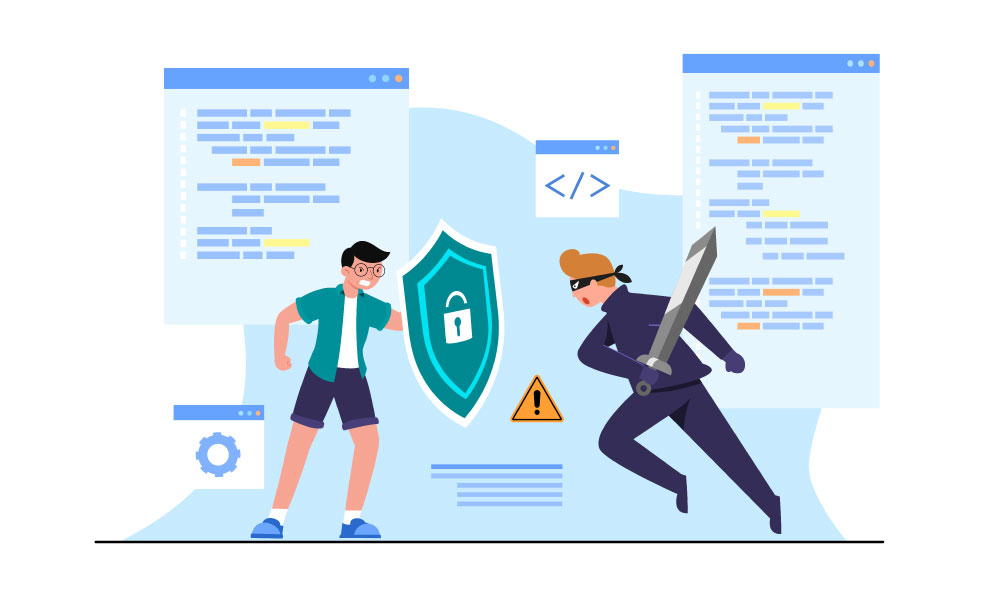
Why Freelancers Should Care About Cybersecurity and Brand Protection
Freelancing has become one of the fastest-growing parts of the digital economy. More professionals are building careers online through remote work, personal branding, and digital services. But as freelancers become more visible online, they also become more exposed to cybersecurity risks. Today, cybersecurity is no longer only a concern for large companies. Freelancers, creators, consultants, and independent professionals are increasingly becoming targets of scams, impersonation, phishing, and digital brand abuse. For freelancers, protecting your online identity is now part of protecting your career. Freelancers Are Building Personal Brands Online Modern freelancers rely heavily on: personal websites portfolios social media domain names email communication online marketplaces to attract clients and build credibility. Your online presence is no longer just marketing, it is your professional identity. As freelancers invest more into visibility and personal branding, cybercriminals are also finding new ways to exploit trusted digital identities. Cybercriminals Are Targeting Trusted Identities One growing issue is cybersquatting. Cybersquatting refers to registering domain names that closely resemble legitimate brands, businesses, or personal identities without authorization. For freelancers, this could involve: fake portfolio websites impersonation domains phishing emails using similar domain names fake client communication fraudulent payment requests In many cases, attackers do not immediately activate these domains. The infrastructure may sit quietly for weeks before being used for scams or impersonation campaigns. Why This Matters for Freelancers Freelancers often work independently without dedicated IT or security teams. This creates several risks: clients may receive fake invoices phishing emails may impersonate your business fake websites may damage your reputation scam accounts may misuse your identity stolen credentials may compromise client data For freelancers, reputation is one of the most valuable business assets. A single scam linked to your name can damage trust that took years to build. Personal Branding Also Requires Digital Protection Many freelancers focus heavily on: content creation social media growth portfolio building lead generation but overlook cybersecurity and digital protection. As freelancers grow their online visibility, they should also consider: securing professional domain names using strong authentication monitoring brand impersonation protecting business email accounts verifying communication channels Your digital identity is now part of your professional infrastructure. AI and Automation Are Increasing Cyber Risks AI tools are making online scams more sophisticated. Cybercriminals now use: AI-generated phishing emails fake websites impersonation campaigns automated scam systems to target businesses and individuals more efficiently. This means freelancers with visible online brands may become easier targets for impersonation and fraud. As digital work grows, cybersecurity awareness becomes increasingly important for independent professionals. The Importance of Owning Your Digital Identity For freelancers, owning your digital identity helps create: stronger credibility professional trust safer client communication better long-term brand control Having: your own domain professional email verified portfolio secure online presence can reduce confusion and improve trust with clients. It also helps freelancers establish a more professional and recognizable digital presence Cybersecurity Is Becoming Part of Professionalism Clients increasingly care about security and trust. Freelancers who demonstrate: professional communication secure workflows verified branding consistent online identity often appear more reliable and trustworthy. In today’s digital economy, cybersecurity is no longer just an IT issue. It is becoming part of professional reputation management.
No-Code Platforms Are Changing Software Development Faster Than Ever
No-code and low-code platforms are no longer just startup tools. They are becoming a major part of how modern businesses build apps, automate workflows, and launch digital products. Instead of relying fully on traditional developers, companies are now empowering non-technical teams to create apps through visual drag-and-drop platforms. This shift is helping businesses reduce costs, speed up development, and innovate faster. Why No-Code Is Growing So Fast Businesses today face three major challenges: Legacy technology slowing innovation Budget limitations Lack of technical talent According to recent statistics: 42% of organizations say outdated systems are their biggest obstacle 39% struggle with budget limitations 36% face skill shortages No-code platforms solve many of these issues by making software development more accessible and efficient. No-Code Is Becoming Mainstream Key statistics: Gartner predicts over 75% of enterprise applications will use low-code/no-code by 2026 The low-code market has reached USD 28.75 billion globally This is no longer a niche trend. It is becoming standard across industries. Businesses Are Building Apps Faster One of the biggest advantages of no-code is speed. Companies using no-code platforms report: Up to 90% reduction in development time 10x faster app development 70% cost savings on projects 362% average ROI from no-code implementations Non-Technical Users Are Leading the Growth A major shift in software development is the rise of citizen developers. These are non-technical users building applications without traditional coding skills. Current adoption trends: Citizen developers now outnumber professional developers 4:1 80% of low-code users are outside IT departments 30% of no-code users are non-technical individuals 24% had zero coding experience before using no-code tools Top Use Cases for Low-Code Platforms Businesses are using no-code for: Forms and data collection Workflow automation Internal business tools Reporting dashboards Customer portals Replacing spreadsheets and manual systems Top adoption areas include: Finance Healthcare Education Retail Enterprise operations AI Is Accelerating No-Code Even Further AI integration is becoming one of the biggest growth drivers in the no-code market. Recent trends show: The global no-code AI market is valued at USD 8.6 billion Projected to grow to USD 75.14 billion by 2034 AI-powered automation and predictive workflows are becoming standard features AI is making app creation even easier by helping users: Generate workflows Build interfaces Automate tasks Analyze data Create apps faster Why Enterprises Are Investing in No-Code Large companies are increasingly adopting multiple no-code tools. Current enterprise trends: 75% of large enterprises use at least four low-code tools 87% of enterprise developers now use low-code platforms 84% adopt no-code for better IT efficiency Final Thoughts No-code platforms are reshaping the future of software development. What started as a simple drag-and-drop trend is now becoming a major part of enterprise digital transformation. Businesses are using no-code to: Reduce costs Speed up innovation Empower non-technical teams Improve operational efficiency Scale digital solutions faster As AI continues integrating into no-code platforms, the gap between technical and non-technical software creation will continue shrinking. The future of development is no longer just about coding. It is about building faster, smarter, and more accessibly.
- All Posts
- Business Tips
- Case Studies
- Design
- Guides & How-tos
- Inspirations
- Marketing
- Others
- Press Release
- Technology
- Trending

November 15, 2023
Freelancers often find themselves at a crossroads when it comes to their rates. On one hand, they want to earn...

November 8, 2023
If you’re a freelancer, you’ve likely encountered the term “expert” in your industry. It’s a label many aspire to achieve,...
November 1, 2023
When it comes to web development, there’s one platform that has consistently stood out from the rest – WordPress. Over...
October 25, 2023
The freelance graphic design marketplace is a dynamic and ever-evolving ecosystem that presents opportunities and challenges for designers looking to...
October 18, 2023
In recent years, the traditional office landscape has undergone a significant transformation.

October 11, 2023
Freelancing is a distinctive and adaptable mode of employment that allows people to pursue their passions and interests while keeping...