
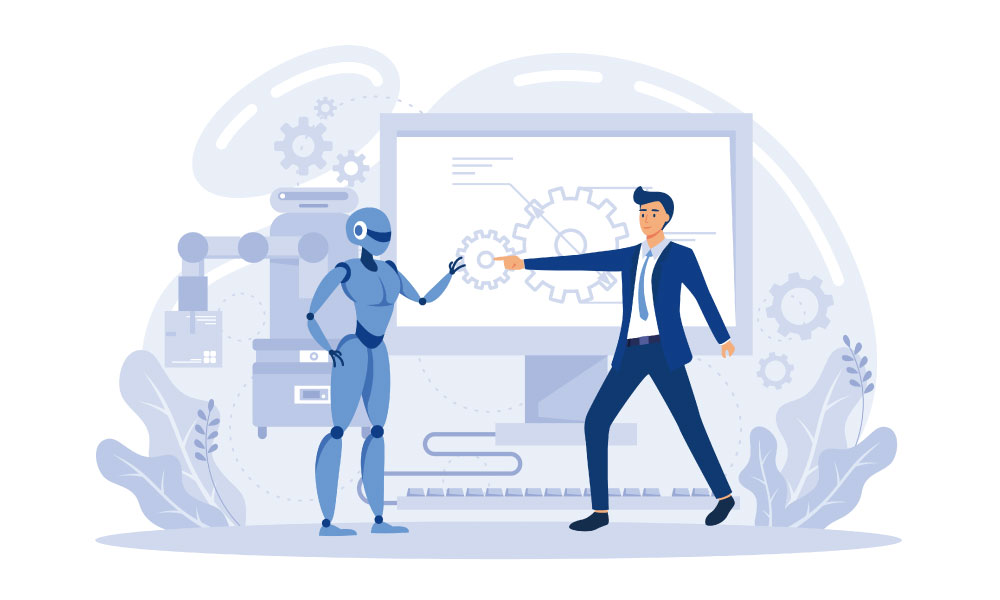
Artificial intelligence is not replacing human workers, it is fundamentally reshaping how work is performed. While headlines often emphasize large-scale automation and job displacement, platform-level data presents a more nuanced and actionable perspective: AI is augmenting human capabilities, creating new opportunities, and driving both professionals and organizations to evolve.
Drawing on millions of jobs and billions of dollars in freelancer earnings across more than 130 categories, several key trends emerge.
1. Human–AI Collaboration Builds Trust and Wins Work
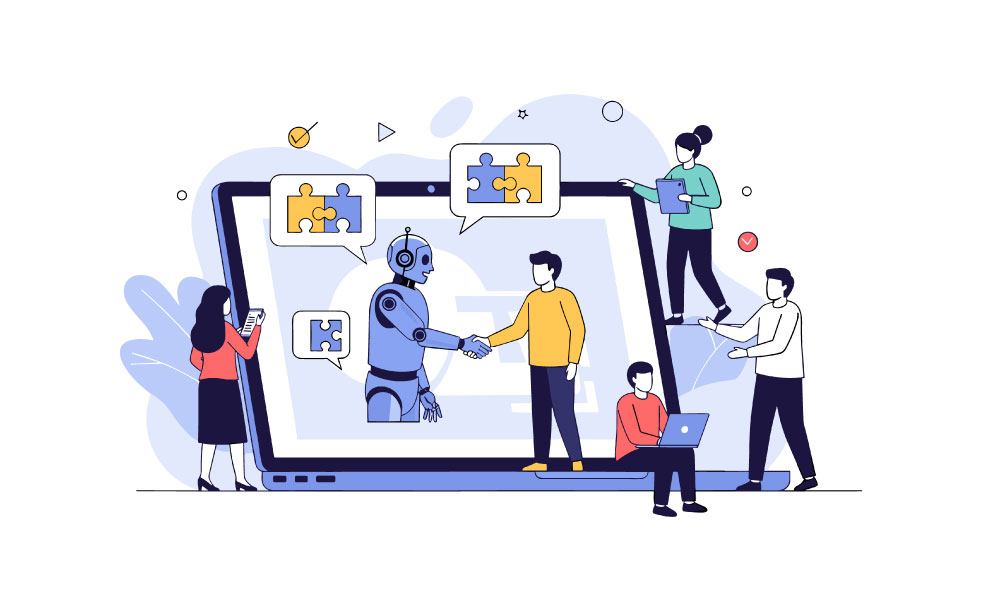
One of the most consistent findings is that the combination of human expertise and AI capabilities delivers stronger outcomes than either alone. Despite rapid advancements in AI, trust remains a significant barrier. A global KPMG study indicates that 54% of individuals do not trust AI systems, partly due to the 10–15% average error rates still observed in leading large language models.
As a result, human involvement continues to be critical. Rather than being replaced, professionals are increasingly positioned as validators, decision-makers, and strategic leaders. This is particularly evident in fields such as corporate law, financial planning, design, and project management, where human judgment, accountability, and contextual understanding remain essential (Prasetyo et al., 2025).
The evidence suggests that the competitive advantage lies in effective human AI collaboration, where trust, quality, and outcomes are significantly enhanced.
AI augmentation is driving growth
2. AI is Driving Growth Across Both Technical and Non-Technical Fields
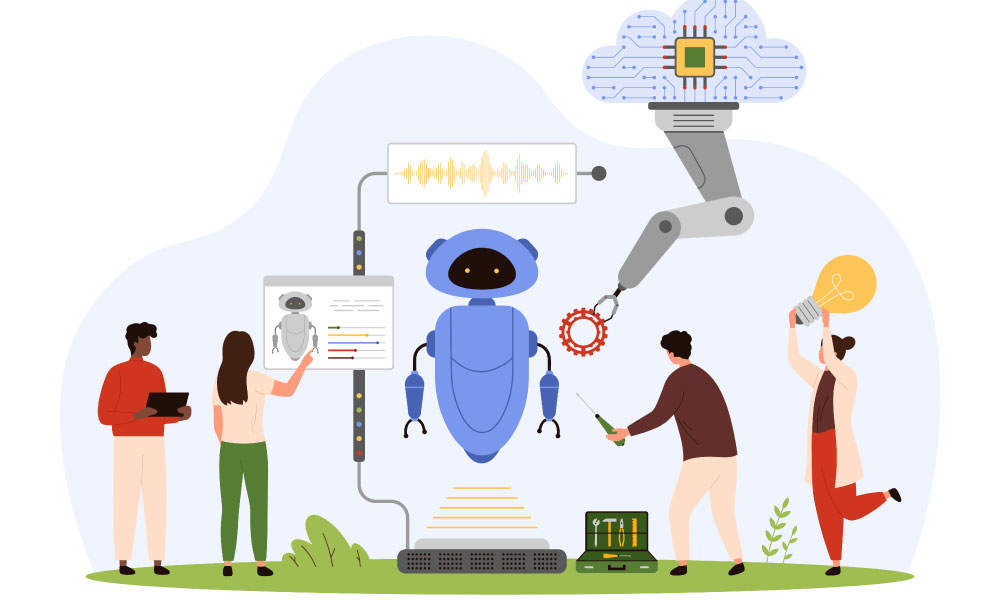
AI adoption is not limited to highly technical demands. While demand is rapidly increasing in areas such as machine learning, AI integration, and AI agent development, non-technical fields are also experiencing significant transformation.
Research by Haleem et al. (2022) highlights that AI is expanding into domains such as design, marketing, and translation. Complementing this, recent platform data shows strong demand for roles like “AI developer” and “AI agent specialist,” supported by a growing global talent pool of approximately 80,000 AI professionals (Monahan, 2025).
This trend indicates that AI is not narrowing opportunities, it is broadening them across diverse skill sets and industries.
3. AI Substitution is Real, but Limited and Transitional
While AI-driven automation is evident, its impact is concentrated primarily in lower-value and routine tasks. According the previous research from Monahan (2025) identified substitution effects in categories such as writing and translation, particularly in content writing and marketing copywriting. These trends have continued due to rapid improvements in generative AI tools such as ChatGPT. Similarly, task-specific innovations such as advanced research tools and image generation platforms like DALL-E, Adobe Firefly, and Canva have accelerated automation in areas like market research, data extraction, and certain aspects of photography.
However, this substitution is neither universal nor permanent. Instead, it represents a transitional phase where routine tasks are automated, allowing human workers to shift toward higher-value, more complex activities.
4. Job Evolution is Creating New Opportunities for Generalists
Beyond augmentation and substitution, AI is driving a broader evolution of job roles. In fields such as web, mobile, and software development, demand is shifting away from repetitive coding tasks toward more complex, integrative work.
Although large language models and AI agents (e.g., tools developed by Anthropic’s Claude and OpenAI’s Codex) have reduced demand for routine coding, experienced developers are increasingly valued for higher-order problem-solving and system integration. Notably, freelancers whose roles involve at least 25% coding now earn 11% more than they did prior to the widespread adoption of AI tools (Monahan ,2025).
At the same time, new approaches such as low-code and no-code development (“vibe coding”) are reshaping the skills landscape. Work is expanding into adjacent areas such as data analysis, testing, cybersecurity, compliance, and AI application integration.
This shift is contributing to the rise of the “generalist” a professional who combines technical knowledge with creativity, critical thinking, communication, and business understanding. Rather than replacing human work, AI is redefining it, emphasizing adaptability and interdisciplinary capability.
While AI introduces targeted task substitution, its broader impact lies in augmenting human capabilities and transforming the nature of work. The evidence clearly shows that AI is not eliminating jobs at scale; instead, it is reshaping roles, creating new opportunities, and increasing the value of uniquely human skills. Success in this evolving landscape will depend not on competing with AI, but on effectively collaborating with it.