

The global freelance economy has expanded rapidly over the past decade. According to World Bank,Statista show that, approximately 1.57 billion people worldwide participate in freelance or gig-based work, representing nearly 47% of the global workforce. Meanwhile, data from Statista shows that the global gig economy was valued at around USD 582 billion in 2025, and the market continues to grow as businesses increasingly adopt flexible employment models.

1. Massive Growth of the Global Freelance Workforce
According to the latest labour market statistics from the Department of Statistics Malaysia (DOSM), Malaysia’s employment levels continue to show steady growth. In early 2026, the number of employed persons increased by 0.2% (approximately 32,400 individuals), reaching 17.09 million employed persons, compared to 17.06 million in October 2025. This steady increase also reflects the growing role of flexible and freelance employment within the labour market.

2. The Freelance Economy Is Rapidly Expanding
The freelance economy is no longer a niche segment of the labour market. Instead, it has become a significant contributor to economic activity.
Reports from The Edge Malaysia show that Malaysia’s freelance and gig economy is projected to experience strong annual growth of over 30% in the coming years. This growth is largely driven by companies seeking cost-efficient, flexible talent instead of maintaining large full-time workforces.
Organizations increasingly rely on freelancers for specialized skills, short-term projects, and digital services such as design, programming, marketing, and consulting.

3. Remote Work Is Driving Freelancing
Remote work has become one of the key drivers behind the rapid growth of freelancing. Jobbers(2026) studies suggest that approximately 58% of workers are able to work remotely at least part-time, allowing companies to hire talent beyond geographical boundaries. One of the biggest attractions of freelancing is the flexibility it provides. Freelancers are no longer restricted by traditional office environments or rigid working hours.
Instead, they can:
- Set their own schedules
- Work from anywhere in the world
- Choose projects aligned with their interests and expertise
This flexibility allows freelancers to explore multiple industries, collaborate with diverse clients, and pursue work that aligns with their personal goals and professional development. As a result, global access to remote talent has become a major factor driving the continued expansion of the freelance economy.
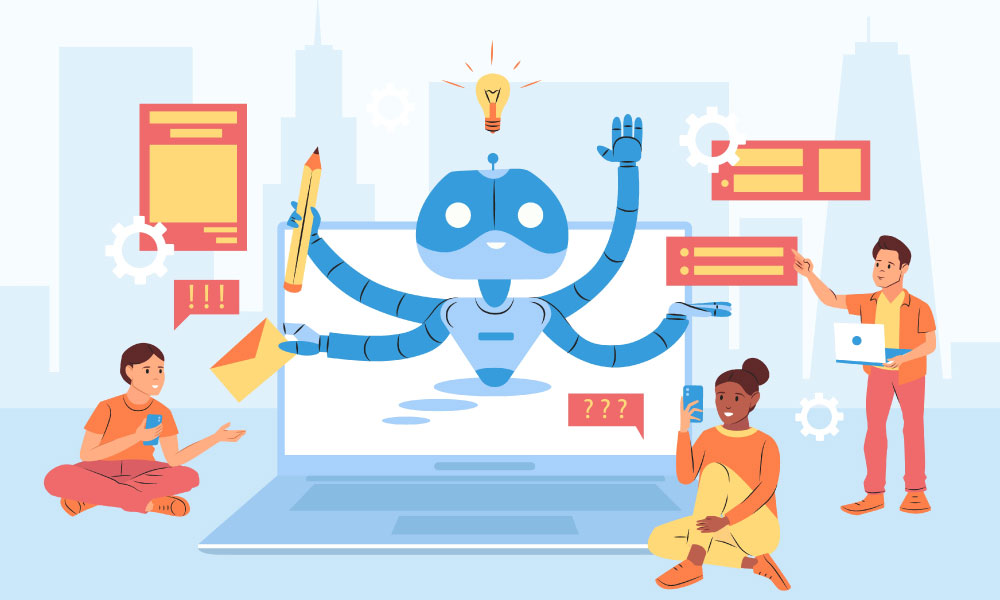
4. AI Is Changing Freelance Work
Artificial intelligence (AI) is rapidly reshaping the freelance landscape. AI-powered tools such as ChatGPT, Midjourney, and GitHub Copilot are increasingly integrated into freelancers’ workflows, enabling them to automate repetitive tasks, generate ideas, and improve productivity.
According to Jobbers(2025), AI-related freelance services have grown by approximately 70% year-over-year, reflecting the rising demand for AI-related skills such as prompt engineering, AI content editing, automation setup, and AI-assisted design.
A notable case can be seen in the content creation sector. Many freelance writers now use AI tools to draft outlines, generate research summaries, and optimize SEO content. This allows them to reduce production time by up to 30–50% while handling more projects simultaneously. As a result, freelancers who effectively integrate AI into their workflow can significantly increase both their efficiency and earning potential.

5. The Expansion of Freelance Platforms
Over the past decade, freelance platforms have transformed the way businesses find and collaborate with talent. Instead of relying solely on traditional hiring, companies can now connect with skilled professionals from around the world within minutes.
For many startups and small businesses, freelance platforms have become an essential tool for growth. Imagine a small e-commerce startup that needs a website redesign, social media marketing support, and product photography. Hiring full-time employees for each role would be costly and time-consuming. Through freelance platforms, the company can quickly find experienced professionals for each task and complete projects efficiently. This flexible model benefits freelancers as well. Designers, developers, writers, and marketers can showcase their skills, work with international clients, and manage multiple projects at the same time. Instead of being limited to opportunities in their local job market, freelancers can now access a global network of clients.
Consider a growing startup launching a new digital product. The company may need a UI designer, a web developer, and a content writer to prepare for the launch. Instead of building a large in-house team, the company can collaborate with freelancers from different parts of the world through a single platform. Within a short period of time, the team can complete branding, website development, and marketing content allowing the startup to launch faster and more efficiently.