

We have all heard the old saying: “Do what you love, and you’ll never work a day in your life.” While the reality of running a business is a bit more complex than that, the core sentiment holds true. We are living in the golden age of the creator economy, a time when graphic designers, writers, photographers, and coders can bypass traditional gatekeepers and build sustainable careers on their own terms.
But how do you bridge the gap between a passionate hobby and a reliable paycheck? How do you move from “I like doing this” to “people pay me to do this”?
Transitioning from a creative enthusiast to a professional freelancer requires a shift in mindset. It’s not just about being good at your craft; it’s about treating your craft like a business. Here is your roadmap to turning your creative skills into a thriving freelance income.

1. Identify Your "Money Skill"
- What do people ask me for help with? (e.g., “Can you fix my resume?” or “Can you edit this video?”)
- What services are businesses currently paying for? (Check job boards like Upwork or LinkedIn to see active requests).
- Where is the gap? Is there a niche, like “copywriting for eco-friendly brands” or “logo design for tech startups,” that is underserved
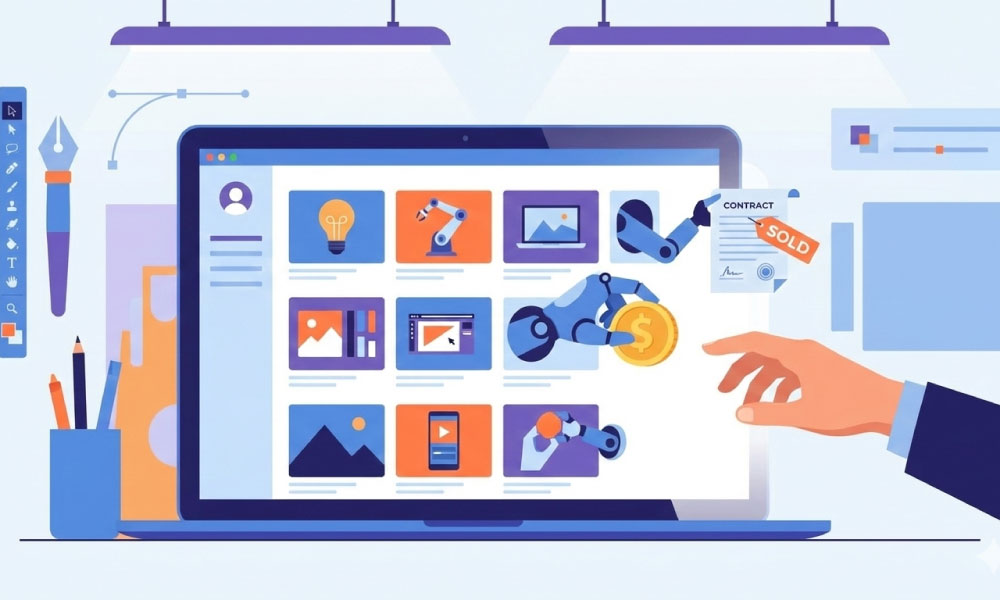
2. Build a Portfolio That Sells (Not Just Shows)
Clients don’t hire you because your work is “pretty”; they hire you because they believe you can deliver results. When curating your portfolio:
- Showcase relevant work: If you want to write B2B white papers, don’t fill your portfolio with poetry.
- Include case studies: Don’t just show a logo you designed. Explain the client’s problem, your creative process, and how the final design helped their brand image.
- Create a professional home base: Stop relying solely on Instagram. Build a dedicated portfolio website (using a .design, .art, or .vip domain can help you stand out) that you own and control.

3. Set Your Rates: The Art of Value Pricing
- Project Rates: Charge a flat fee for the deliverable (e.g., $500 for a blog post).
- Retainers: Secure recurring income by offering a set amount of work per month for a fixed fee.

4. Master the Boring Stuff (Contracts and Invoices)
- Never work without a contract: A contract protects you from “scope creep” (when clients add more work for free) and ensures you get paid. It defines deadlines, revisions, and payment terms.
- Automate invoicing: Use tools like FreshBooks, Bonsai, or Wave to send professional invoices. If you make it easy for clients to pay you, they will pay you faster.
- Separate your finances: Open a separate business bank account immediately. Mixing personal and business expenses is a nightmare for tax season and makes it hard to see if you are actually profitable.

5. Marketing: You Are Your Own Hype Person
- Content Marketing: Start a blog or a newsletter sharing tips related to your industry. This establishes you as an expert.
- Networking: Join communities (both online and offline) where your clients hang out, not just other creatives. If you are a web designer, don’t just hang out with designers; hang out with small business owners.
- Cold Outreach: Don’t wait for work to come to you. Identify 10 dream clients and send them a personalized pitch explaining exactly how you can help their business grow.

Start Before You Are Ready
The gap between passion and paycheck isn’t crossed in a single leap. It is crossed in small, consistent steps. You don’t need to quit your day job tomorrow. Start by picking up one freelance client. Then another. Then raise your rates.
The freelance life offers freedom, flexibility, and the incredible satisfaction of building something that is truly yours. The only thing standing between your skills and your income is the decision to start treating your passion like the business it deserves to be.
Are you ready to launch? The world is waiting for what you have to create.